
The Complete Guide to Rum: History, Styles, Cocktails, and How to Choose a Bottle
Rum is one of the oldest distilled spirits in the world, and honestly, one of the most misunderstood. Most people associate it with beach drinks and college parties, but spend any real time exploring the category and a completely different picture emerges — aged sipping rums that rival the finest Scotch, funky Jamaican expressions full of tropical fruit and complexity, and elegant Spanish-style aged rums that go down like dessert. At your local liquor store in Lakewood, CO, Jewell Liquor Box, we carry rum from every corner of the world and across every style. This guide will help you make sense of all of it.
What Is Rum? A Spirit Rooted in Sugar and History

Rum is a distilled spirit made from sugarcane byproducts, most commonly molasses, though some rums are produced directly from fresh sugarcane juice. After fermentation and distillation, rum can be bottled immediately as a clear white spirit or aged in oak barrels for anywhere from a few months to several decades. That aging process is where rum develops the warmth, color, and complexity that distinguishes a great bottle from a forgettable one.
The origins of rum are inseparable from the history of the sugarcane trade in the Caribbean. Sugarcane was introduced to the islands by Spanish colonizers in the early 1500s, and it did not take long for plantation workers to discover that the molasses left over from sugar refining could be fermented into alcohol. By the mid-1600s, distillation was well established on Barbados, and rum quickly became the dominant commercial spirit of the Atlantic world. It fueled economies, financed wars, and served as currency along the triangular trade routes between Europe, Africa, and the Americas.
The Royal Navy famously issued sailors a daily ration of rum for over 300 years, a practice known as the rum ration or "tot," which was only abolished in 1970. That single historical detail tells you something important about how deeply embedded this spirit became in everyday life across the English-speaking world. For a more detailed look at rum's cultural and economic history, the Cornell University Spirits Industry Research Guide is an excellent academic resource.
The Different Styles of Rum and What Makes Each One Unique

Unlike whiskey, which has clearly codified legal categories, rum is one of the loosest-regulated major spirits in the world. There is no single international standard governing how it must be made, labeled, or aged. That freedom has produced an extraordinary range of styles, but it also means you need some context to navigate the category confidently. Here is what you will most often encounter:
- White Rum: Clear, lightly filtered, and typically unaged or aged briefly before filtering to remove color. The style associated with mixing — Bacardi Superior and Don Q Cristal are two of the most widely known examples. Some premium white rums, like Diplomatico Planas, are aged for three years before filtration and carry surprising depth for a clear spirit.
- Gold or Amber Rum: Aged in oak barrels long enough to develop a golden color and noticeably more body and flavor than white rum. Often a reliable middle-ground choice for cocktails where you want a bit more character. Appleton Estate Signature and Plantation 3 Stars both fall loosely into this range.
- Dark Rum: Deeper in color, richer in flavor, and often carrying notes of molasses, dried fruit, brown sugar, and baking spice. Gosling's Black Seal and Myers's Original Dark are classic examples. Many dark rums also contain added caramel coloring, which is worth knowing if you care about that sort of thing.
- Aged or Premium Rum: This is where rum gets genuinely exciting for serious spirit drinkers. Long-aged expressions from distilleries like Diplomatico, Zacapa, Appleton Estate 21, and El Dorado 15 are structured, complex, and meant to be sipped slowly. Think of them the way you would think of a premium aged bourbon or a fine single malt.
- Rhum Agricole: Made from fresh sugarcane juice rather than molasses, primarily in the French Caribbean islands of Martinique and Guadeloupe. Agricole rums have a distinctly grassy, vegetal, almost earthy character that is quite different from molasses-based rum. Clément and Rhum JM are two of the most respected producers.
- Overproof Rum: Bottled at significantly higher alcohol content than standard rum, often 57 percent ABV or above. Traditionally used in tiki cocktails or as a float for extra punch. Wray and Nephew White Overproof from Jamaica is legendary in the cocktail world for its intensity.
- Spiced Rum: Rum infused with spices such as vanilla, cinnamon, clove, and nutmeg. Captain Morgan is the category's best-known name. Quality varies enormously — there are genuinely excellent craft spiced rums worth exploring alongside the mass-market options.
According to the U.S. Alcohol and Tobacco Tax and Trade Bureau (TTB), rum must be distilled from sugarcane products at less than 190 proof and bottled at no less than 80 proof to be legally sold as rum in the United States. Beyond that, producers have a great deal of latitude, which is both the category's greatest strength and its most frequent source of confusion for new buyers.
How Rum Is Made: Fermentation, Distillation, and Aging
Rum production begins with the raw material. For most rums, that means molasses, the thick, dark syrup left over after sugarcane juice has been processed and the sugar crystals extracted. Molasses is rich in unfermentable sugars and flavor compounds, and its quality has a direct impact on the character of the finished spirit. Rhum agricole producers skip the molasses entirely and press freshly harvested sugarcane to extract the juice, which must be fermented and distilled quickly before it begins to degrade.
Fermentation is where rum starts to take on its personality. The choice of yeast — whether commercial strains selected for speed and efficiency or wild yeasts that have colonized a distillery over generations — has an enormous influence on the flavors that develop. Jamaican distilleries are famous for long, slow fermentations using wild yeasts in open wooden vats, a process that encourages the development of esters, which are the aromatic compounds responsible for the funky, overripe tropical fruit character that Jamaican rum is known for. A Jamaican pot still rum and a light Puerto Rican column-still rum start from essentially the same raw material, but you would never mistake one for the other.
Distillation choices matter enormously as well. Pot stills produce heavier, more flavorful spirits that retain more of the congeners and esters from fermentation. Column stills produce lighter, cleaner distillate. Many distilleries use both, blending pot and column still rums to achieve a specific flavor profile. After distillation, white rums are typically filtered and bottled without aging, while gold, dark, and premium rums spend time in oak barrels — often used bourbon barrels from the United States, since American distilleries are legally required to use new barrels and sell the used ones.
The Caribbean climate plays an important role in how quickly rum ages. The consistent heat and humidity in tropical locations accelerate the interaction between the spirit and the wood, meaning that a ten-year-old Caribbean rum often shows more barrel character than a fifteen-year-old Scotch aged in a cool, damp Scottish warehouse. This is important context when you are comparing age statements across different spirit categories.
Classic Rum Cocktails You Should Know How to Make


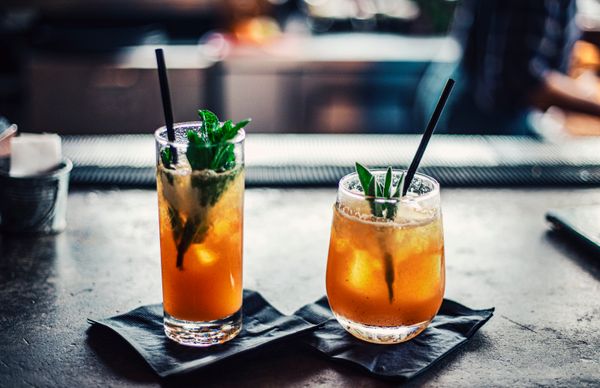
Rum is the foundation of some of the most enduring cocktails ever created, and not just the tropical ones you are probably thinking of. It works across a remarkable range of styles — bright and citrusy, deep and spirit-forward, or lush and tropical. Here are six classics worth having in your repertoire:
- Daiquiri: White rum, fresh lime juice, and simple syrup shaken hard over ice and strained into a chilled coupe. Three ingredients, no blender, and when made properly it is one of the most refreshing cocktails in existence. The quality of your lime juice makes or breaks it, so always use fresh.
- Mojito: White rum, fresh lime juice, sugar, mint, and soda water. Built in a tall glass over ice with the mint gently pressed rather than muddled aggressively, which would turn it bitter. A strong contender for the most universally approachable rum cocktail.
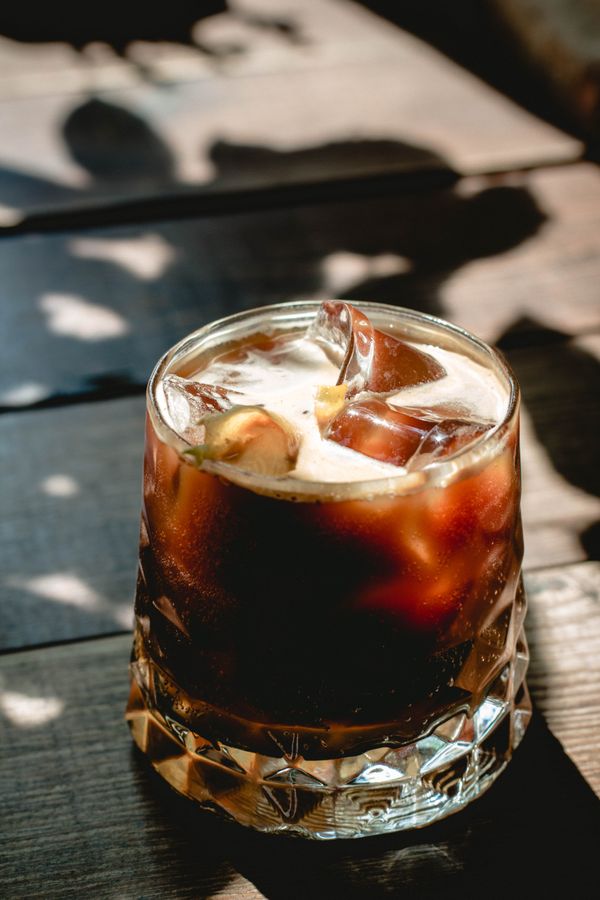
- Dark and Stormy: Dark rum — traditionally Gosling's Black Seal — over ice with spicy ginger beer and a squeeze of lime. Simple, slightly spicy, and deeply satisfying on a warm Colorado evening.
- Rum Old Fashioned: Aged rum, a small amount of demerara sugar, and Angostura bitters stirred over ice with an orange peel. A wonderful way to showcase a quality aged rum in a format that whiskey drinkers will immediately recognize and appreciate.
- Painkiller: Dark rum, pineapple juice, orange juice, and cream of coconut, served over ice and dusted with freshly grated nutmeg. Rich, tropical, and just indulgent enough to feel like a genuine treat.
- Mai Tai: The tiki world's most iconic drink, built on aged rum with orange curaçao, lime juice, orgeat (almond syrup), and a float of dark rum on top. Made properly with quality ingredients, it is a complex, layered cocktail that rewards a good bottle.
If there is one cocktail on that list to make first, start with the Daiquiri. It is easy to underestimate because it sounds simple, but a perfectly balanced Daiquiri with fresh lime juice and good white rum is one of the clearest demonstrations of how good spirits-forward cocktails can be.
How to Choose the Right Rum for Your Needs
The right rum depends entirely on what you are planning to do with it. Here is a practical guide organized around the most common situations:
- For classic cocktails like Daiquiris and Mojitos: You want a good white rum with enough flavor to contribute to the drink without overwhelming it. Flor de Caña Extra Dry, Plantation 3 Stars, and Banks 5 Island are all excellent options that go well beyond the standard well-bottle quality.
- For tiki cocktails and tropical drinks: Aged gold rum is your friend. Appleton Estate Signature, El Dorado 8, and Plantation Original Dark all have the body and flavor that makes tropical cocktails feel genuinely balanced rather than one-dimensional.
- For sipping straight or on a large ice cube: Look toward aged expressions in the eight to twenty-one year range. Diplomatico Reserva Exclusiva, Appleton Estate 12, Zacapa 23, and El Dorado 15 are all beautifully made rums that reward slow attention the same way a good bourbon or Scotch does.
- If you want to explore something different: Try a rhum agricole. Clément VSOP is a wonderful starting point — it is aged, approachable, and clearly distinct from anything else in the rum category. It will change how you think about what rum can be.
- On a budget: Flor de Caña 4 Year and Mount Gay Eclipse are both genuinely good, affordable rums that outperform their price point significantly.
Tips for Tasting and Appreciating Rum

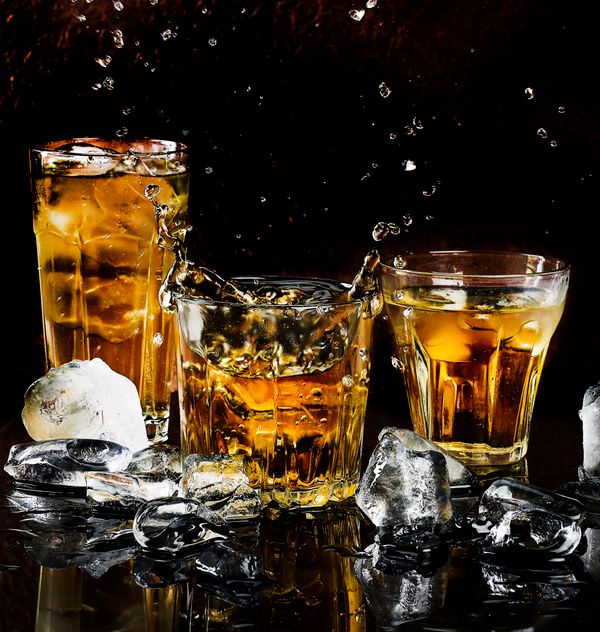
If you are used to drinking rum in cocktails, tasting it neat for the first time can be a genuinely surprising experience — especially with a quality aged expression. Here are a few habits that will help you get the most out of it.
Temperature matters more with rum than many people expect. Unlike whiskey, which most drinkers prefer at room temperature or slightly above, many aged rums actually show very well with a brief chill, or over a single large ice cube that melts slowly. The slight cooling can tame the sweetness that some producers add during finishing — a common and legal practice in the rum world — and bring out more of the wood and spice notes underneath.
When nosing a rum, look for the base notes first: molasses, brown sugar, dried fruit, vanilla. Then see what the barrel has added: oak, caramel, coconut, light smoke. Agricultural rums will smell noticeably greener and more herbal. Overproof Jamaican rums will hit you with overripe tropical fruit, banana, and a certain funky earthiness that is either immediately appealing or takes a few tries to appreciate, depending on your palate.
One useful exercise is to taste two very different rums side by side — say a light Puerto Rican rum like Bacardi 8 next to a funky Jamaican pot still rum like Smith and Cross. The contrast is dramatic and educational. Both are rum, both are made from sugarcane products, and both are excellent in their own right, but they taste almost nothing alike. That range is exactly what makes rum such an interesting category to explore.
If you are not sure where to start or want a guided recommendation, stop in and talk to us. Exploring rum is genuinely one of the most rewarding journeys you can take in the spirits world, and it does not have to be expensive to be excellent.
Explore Our Rum Selection at Jewell Liquor Box
From everyday white rum to rare aged expressions, we carry something for every palate and budget.
📍 7853 W Jewell Ave, Lakewood, CO 80232