
Gin: The Most Interesting Spirit in Your Bar Cart
Ask ten gin drinkers what gin tastes like, and you will get ten different answers. That is not confusion. That is the whole point. No other spirit category comes close to matching gin's range of flavor, aroma, and personality. A classic London Dry gin and a Japanese botanical gin can share the same label and yet taste like they belong to entirely different worlds. If whiskey is about patience and vodka is about purity, gin is about curiosity. It rewards exploration more generously than almost anything else on the shelf.
So let's dig in. Here is everything worth knowing about gin, written for people who want to actually understand what they're drinking rather than just order it.
Gin Did Not Start in England. Surprise.
Most people picture foggy London streets when they think of gin, but the spirit was actually born in the Netherlands. Dutch physicians in the early 1600s were distilling grain alcohol with juniper berries and calling it jenever, believing it could treat everything from stomach trouble to poor circulation. Whether it actually worked is debatable. Whether people enjoyed drinking it is not.
English soldiers stationed in the Low Countries during the Thirty Years War developed a taste for the stuff and brought it home. Back in England, the government banned French brandy imports and actively encouraged domestic spirit production, which is roughly the equivalent of opening a fire hydrant. Gin flooded London. By the 1720s and 1730s, the city was in the grip of what historians call the Gin Craze, a period so chaotic and booze-soaked that Parliament had to step in multiple times just to slow things down.
Regulation eventually worked, paradoxically turning gin into something far more refined. The Victorian gin palace replaced the backstreet squalor, and London Dry gin emerged as the clean, elegant spirit that would anchor cocktail culture for the next two centuries. When Prohibition hit America in 1920, gin found yet another chapter in its story. As the Law Library of Congress notes, bathtub gin became one of the most prevalent homemade spirits of the era, with people mixing high-proof alcohol, juniper, and glycerin right in their homes. It was rough, often dangerous, and wildly popular.
What Actually Makes Gin, Gin
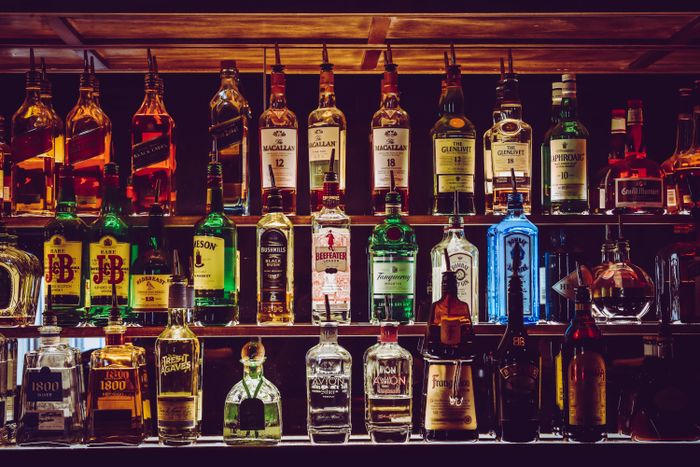
Here is the short answer: juniper. Every gin in the world, regardless of style or origin, must have juniper berries as its primary flavor. That piney, resinous, slightly citrusy note is the thread that connects all of them. Take away the juniper dominance and it is no longer gin, it is something else entirely. The U.S. Alcohol and Tobacco Tax and Trade Bureau (TTB) is clear on this point: gin must be bottled at a minimum of 40% ABV with juniper as the leading characteristic.
Beyond that, the distiller has almost total creative freedom. The base spirit is typically a neutral grain alcohol, and the magic happens when botanicals enter the picture. Common players include coriander seed, angelica root, orris root, citrus peel, cardamom, cinnamon, and licorice. But modern distillers have gone far beyond the classics, incorporating local wildflowers, seaweed, tea leaves, lavender, pink peppercorn, and dozens of other ingredients that give craft gins their distinct personalities.
There are three main ways to get those flavors into the spirit. The first is distillation, where botanicals are placed directly in the still with the spirit and everything is redistilled together. The second is vapor infusion, where botanicals hang above the liquid in a basket and the rising alcohol vapors carry their aromas through without direct contact, producing a more delicate result. The third is cold compounding, which skips distillation entirely by adding botanical extracts directly to the base spirit. Each method produces a different character, and most quality gins use some combination of the first two.
A Field Guide to Gin Styles
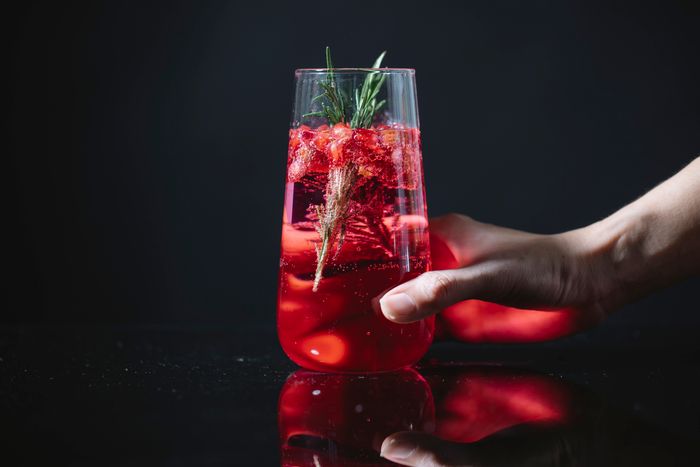
The gin category is broader than most people realize. These are the main styles worth knowing before you walk into a store:
The Gin Cocktails Worth Actually Making


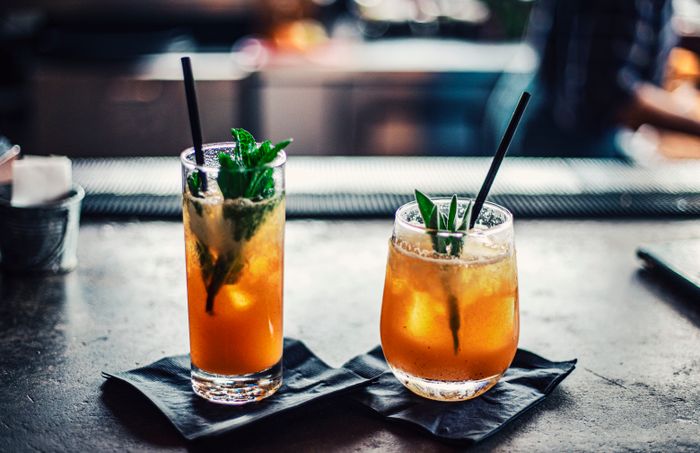
Gin built modern cocktail culture. Before vodka took over bar programs in the mid-20th century, the Martini, the Negroni, the Gimlet, and the Tom Collins were all gin drinks. They still are at any bar worth visiting. Here are the ones to know:
- Gin and Tonic: Simple, but endlessly adjustable. Your gin, quality tonic, ice, and a garnish that matches your botanical. Rosemary with a floral gin. Cucumber with Hendrick's. Pink grapefruit with something citrus-heavy. The garnish is not decoration, it is part of the drink.
- Martini: Gin, dry vermouth, ice, and patience. Stirred for at least 30 seconds. Strained cold into a chilled glass. Garnished with a lemon twist or olive. If you have never had a great Martini, you have not had one made properly with quality gin.
- Negroni: Equal parts gin, sweet vermouth, and Campari. Stirred, not shaken. Orange peel. Arguably the perfect cocktail, because nothing about it is negotiable and nothing needs to be.
- Tom Collins: Gin, fresh lemon juice, sugar, soda. Tall, icy, and refreshing enough to drink on a hot Colorado afternoon.
- Bee's Knees: Gin, fresh lemon, honey syrup. Born during Prohibition when people needed something to mask terrible gin. Ironically perfect with excellent gin too.
- French 75: Gin, lemon, sugar, Champagne. The kind of drink you make when you want people to feel like the evening is an occasion.
- Aviation: Gin, maraschino, creme de violette, lemon. Pale purple and quietly spectacular. Order it somewhere and watch people ask what you are drinking.
How to Pick a Gin Without Feeling Overwhelmed
There are thousands of gins on the market right now. That is either exciting or paralyzing depending on your perspective. Here is how to navigate it without second-guessing yourself at the shelf.
Start with what you already know you like. If you enjoy bold, savory drinks with herbal depth, go for a classic London Dry like Tanqueray No. Ten or Sipsmith. If you are drawn to lighter, more fragrant things, try The Botanist or Hendrick's. If you want a gin that feels more like a spirit and less like a perfume counter, Plymouth or a genever will feel more familiar and far less aggressive.
For cocktails, the choice of gin genuinely changes the drink. A Negroni made with a bold, piney gin tastes completely different from one made with a delicate floral gin. Neither is wrong. Both are worth trying. That is actually the best argument for building more than one bottle into your home bar.
For everyday value, Bombay Sapphire, Tanqueray, and New Amsterdam all deliver serious quality without serious price tags. For a treat or a gift, Monkey 47 from Germany, Roku from Japan, or Aviation American Gin are worth every dollar. If you want something local, Colorado's craft gin scene is genuinely excellent and gets more interesting every year.
We keep a solid and regularly refreshed gin selection at Jewell Liquor Box, your neighborhood spot for the coldest beer in Lakewood. Tell us what you usually drink or what cocktail you are trying to make, and we will point you straight to the right bottle.
One Last Thing: Tonic Water Matters More Than You Think

A gin and tonic is roughly two-thirds tonic water. Which means the tonic is doing a lot of the talking. Cheap tonic is sweet, flat-tasting, and mostly just sugary water with bubbles. It dulls good gin. Premium tonics like Fever-Tree, Q Mixers, or East Imperial are built with real quinine and actual flavor, and they transform the drink entirely.
The ratio matters too. Most people pour too much tonic too fast, killing the carbonation and washing out the gin. Aim for about 1 part gin to 2 to 2.5 parts tonic, poured slowly over the back of a spoon to preserve the bubbles. Use a large glass with a generous amount of ice. Add your garnish last, after the tonic, so it sits at the surface and releases its aromatics as you drink.
None of this is complicated. It just takes paying a little attention. And with good gin in your glass, paying attention is the easy part.
Come Find Your Gin at Jewell Liquor Box
Classics, craft bottles, and everything in between. We are in Lakewood and we know our gin.
📍 7853 W Jewell Ave, Lakewood, CO 80232