The Complete Guide to Whiskey: History, Types, and How to Enjoy It
Few spirits carry the depth, tradition, and character of whiskey. From the rolling highlands of Scotland to the limestone-filtered springs of Kentucky, whiskey has been crafted, debated, celebrated, and sipped for centuries. Whether you are a seasoned enthusiast or just beginning to explore the world of brown spirits, this guide will walk you through everything you need to know about whiskey, including its rich history, how it is made, the many different styles available, and how to find the right bottle for you.
The Origins of Whiskey: A Spirit Born from Ancient Traditions
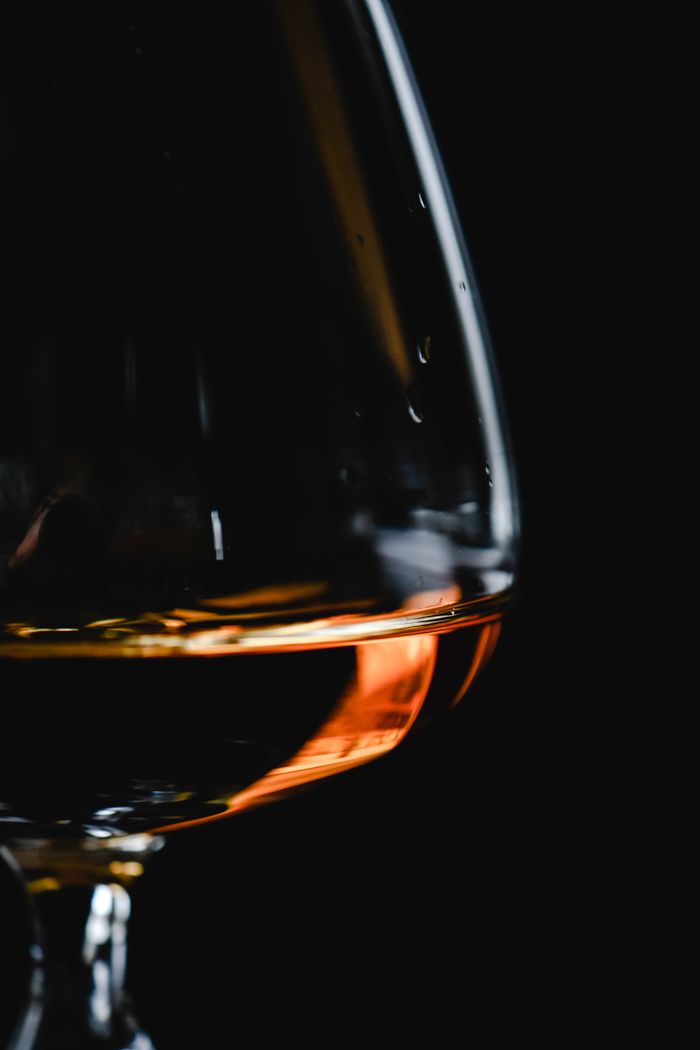
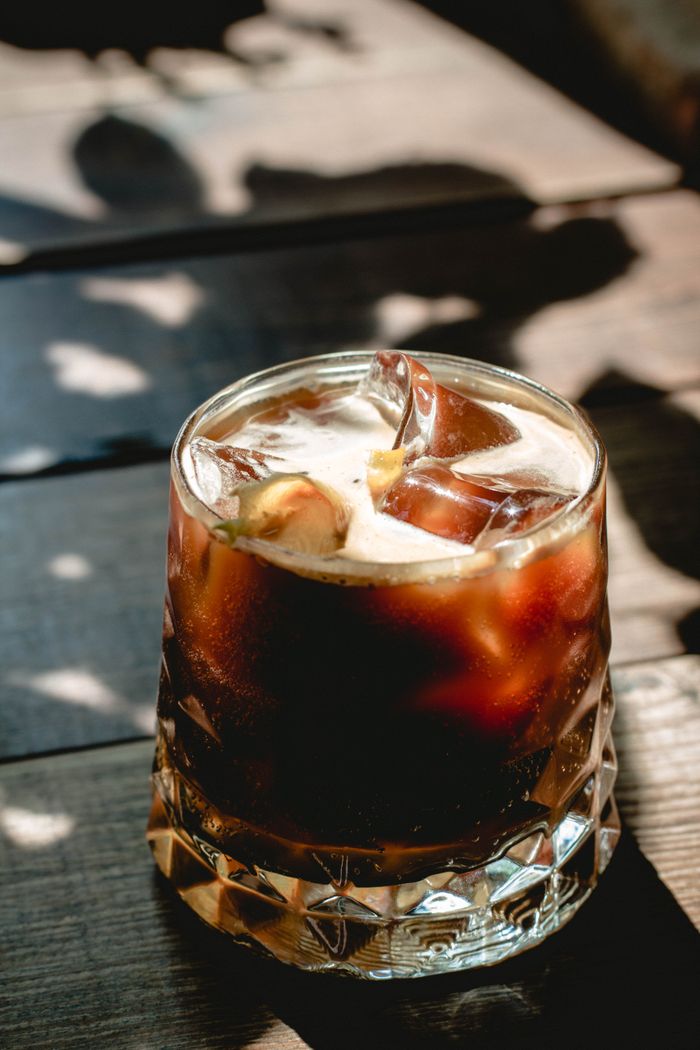
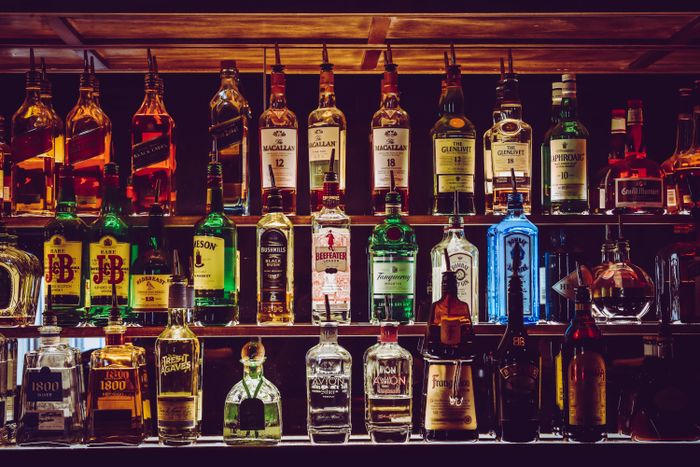
The story of whiskey begins somewhere in the monasteries of medieval Ireland and Scotland. The word itself is an anglicization of the Gaelic phrase uisce beatha, meaning "water of life," a phrase that speaks volumes about how deeply this spirit was woven into the fabric of early Celtic culture. Monks are believed to have brought distillation knowledge from the Mediterranean world and adapted it to local grains, producing a spirit intended first as medicine and perfume before it became a drink of pleasure.
The earliest written record of whiskey in Scotland appears in 1494, when a monk was granted the king's commission to produce "the water of life." In Ireland, the Annals of Clonmacnoise reference a clan chief who died from "taking a surfeit of aqua vitae" in 1405. Whether Scotland or Ireland can claim the true birthplace of whiskey remains one of the great friendly disputes in spirits history.
In America, whiskey took on a life of its own. Scots-Irish immigrants brought distilling traditions to the frontier, and by the 18th century, whiskey had become so central to the young nation's economy that it sparked the famous Whiskey Rebellion of 1794, when farmers revolted against Alexander Hamilton's excise tax on distilled spirits. As documented by the Library of Congress, this rebellion was the first major test of federal authority in the United States, highlighting just how important whiskey was to early American society.
How Whiskey Is Made: From Grain to Glass
Whiskey production follows four essential stages: grain preparation, fermentation, distillation, and aging. While each distillery has its own methods, techniques, and traditions, the core process is consistent across the world.
It starts with the grain. Barley, corn, rye, and wheat are the most common raw materials, and the choice of grain has a profound effect on the final flavor. The grain is first milled and mixed with hot water to create a mash, which converts the starches into fermentable sugars. Yeast is then added, triggering fermentation, which converts those sugars into alcohol over the course of several days. The resulting liquid, called the wash or distiller's beer, typically contains around 5 to 10 percent alcohol.
The wash is then distilled, either in traditional copper pot stills or in modern column stills, concentrating the alcohol and developing flavor compounds. After distillation, the spirit is transferred to wooden casks, almost always charred or toasted oak, where it will age anywhere from a few years to several decades. This aging process is where whiskey gains most of its color, complexity, and character, as the liquid slowly absorbs compounds from the wood and undergoes chemical transformation.
In the United States, the Alcohol and Tobacco Tax and Trade Bureau (TTB) sets strict legal standards for whiskey production and labeling, including regulations around grain content, distillation proof, aging requirements, and barrel types. These rules protect consumers and ensure that labels like "Straight Bourbon" or "Tennessee Whiskey" carry genuine meaning.
The Major Types of Whiskey You Should Know

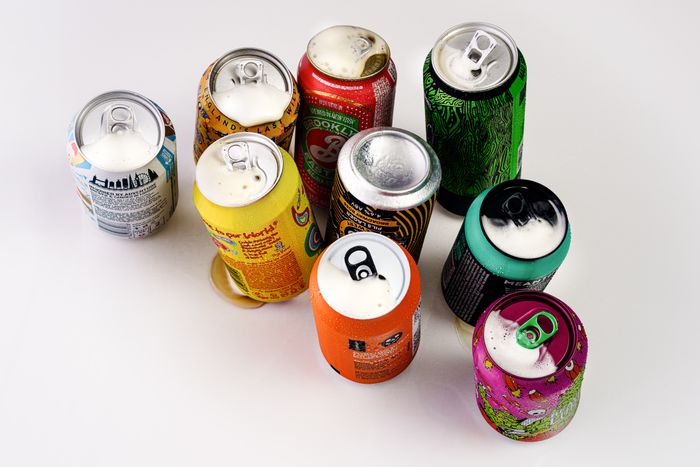
Not all whiskey is created equal. The style, flavor, and production method vary dramatically depending on where a whiskey is made and what rules govern its production. Here is a breakdown of the major categories:
Made in Scotland and aged for a minimum of three years in oak casks, Scotch is typically produced from malted barley. Single malts come from one distillery and are known for their complexity and regional character. Highlands, Speyside, Islay, and Lowlands each produce distinct flavor profiles ranging from light and floral to rich and smoky.
America's native spirit, bourbon must be made in the United States from a mash of at least 51 percent corn, distilled to no more than 160 proof, and aged in new charred oak containers. It carries no minimum age requirement except for "straight" bourbon, which must be aged at least two years. The result is a sweeter, fuller-bodied spirit with notes of vanilla, caramel, and oak. Kentucky is the heartland of bourbon production.
Known for its smoothness and approachability, Irish whiskey is typically triple-distilled, giving it a lighter, cleaner character than Scotch. It is aged for a minimum of three years in wooden casks on the island of Ireland. Brands like Jameson, Bushmills, and Redbreast have made Irish whiskey one of the fastest-growing spirits categories in the world.
Made with a mash of at least 51 percent rye grain, rye whiskey is spicier and drier than bourbon, with notes of pepper, dried fruit, and baking spice. It was historically the dominant style in America before Prohibition and has seen a major revival in recent years.
Inspired by Scotch traditions, Japanese whisky has earned a global reputation for exceptional balance and craftsmanship. Brands such as Yamazaki, Hibiki, and Nikka consistently rank among the world's finest. Japanese distillers are known for their meticulous attention to detail and their innovative use of different cask types.
Similar to bourbon but distinguished by the Lincoln County Process, in which the spirit is filtered through sugar maple charcoal before aging. Jack Daniel's and George Dickel are the most well-known examples of this uniquely American style.
Classic Whiskey Cocktails Worth Trying

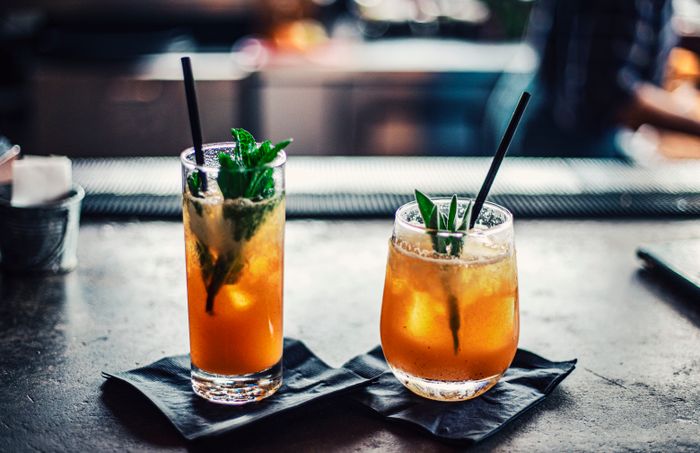
Whiskey's bold, complex flavor makes it one of the most rewarding spirits to mix with. From timeless classics to modern craft creations, here are some essential whiskey cocktails to add to your repertoire:
- Old Fashioned: Bourbon or rye, sugar, Angostura bitters, and an orange peel. Simple, elegant, and endlessly satisfying.
- Manhattan: Rye or bourbon, sweet vermouth, and bitters, garnished with a maraschino cherry. Rich and stirred.
- Whiskey Sour: Bourbon, fresh lemon juice, simple syrup, and optionally an egg white for froth. Bright and well-balanced.
- Mint Julep: Bourbon, fresh mint, sugar, and crushed ice. The signature drink of the Kentucky Derby.
- Penicillin: Blended Scotch, lemon juice, honey-ginger syrup, and a float of peaty Islay Scotch. A modern classic.
- Hot Toddy: Whiskey, hot water, honey, and lemon. A warming, comforting cold-weather staple.
How to Choose the Right Whiskey for You

With so many styles and brands available, knowing where to start can feel overwhelming. The best approach is to think about what flavors you naturally enjoy. Do you like sweet dessert flavors? Bourbon is a great entry point. Prefer something smoky and complex? Reach for an Islay Scotch. Looking for something smooth and easy to drink? Irish whiskey is made for you. Enjoy spice and boldness? Rye whiskey will hit the spot.
For beginners, approachable bottles like Jameson Irish Whiskey, Buffalo Trace Bourbon, or Johnnie Walker Black Label Scotch are excellent starting points. As your palate develops, you can explore aged single malts, small-batch bourbons, or rare limited releases. Tasting notes on labels and bottle descriptions are genuinely helpful, but nothing beats trying a pour and forming your own opinion.
Budget does not always dictate quality in whiskey. Some of the most beloved everyday drams, such as Wild Turkey 101, Elijah Craig Small Batch, and Tullamore D.E.W., punch well above their price point. That said, if you are looking to treat yourself or find a memorable gift, premium options like Pappy Van Winkle, The Macallan 18, or Hibiki 21 are genuinely worth the splurge.
If you are in the Lakewood area and looking for a great selection of whiskey, stop by Jewell Liquor Box, your go-to liquor store Lakewood CO residents have trusted for years. Our shelves carry a wide range of Scotch, bourbon, Irish whiskey, rye, and Japanese whisky at every price point, and our knowledgeable staff is always happy to point you in the right direction.
Tips for Tasting and Storing Whiskey
Getting the most out of a good whiskey comes down to a few simple principles. When tasting, start by nosing the glass gently, swirling it to release the aromas. Take a small sip and let it sit on your palate before swallowing. Adding a few drops of water can open up the flavors in higher-proof expressions, softening the alcohol heat and revealing more nuance.
For storing whiskey, keep bottles upright rather than on their sides. Unlike wine, whiskey does not benefit from cork contact, and storing it horizontally can cause the high-alcohol spirit to degrade the cork over time. Store bottles away from direct sunlight and heat, both of which can alter the flavor. An opened bottle of whiskey will keep well for one to two years without significant deterioration, though the flavor may evolve slowly as the remaining liquid interacts with more air in the bottle.
Building a small home whiskey collection is one of the most rewarding hobbies for spirit lovers. Start with a bourbon, a blended Scotch, and an Irish whiskey to cover the basics, then branch out from there as your tastes evolve.
Find Your Perfect Bottle at Jewell Liquor Box
Serving the Lakewood community with a wide selection of whiskey, spirits, wine, and beer.
📍 7853 W Jewell Ave, Lakewood, CO 80232