Does Altitude Get You Drunk Faster? A Local's Guide to Drinking at High Altitude in Lakewood, Colorado
If you have ever nursed a single beer at a Red Rocks show, or poured your first glass of wine after moving to Colorado, and thought, "wow, that hit way harder than it should have," you are not imagining it. It is one of the most common questions we get at the counter at our liquor store in Lakewood, Colorado: does altitude actually get you drunk faster? Locals swear by it. Visitors flying in from sea level find out the hard way, usually about halfway through dinner. And almost nobody can tell you exactly what is going on, because the honest answer is more interesting than the myth.
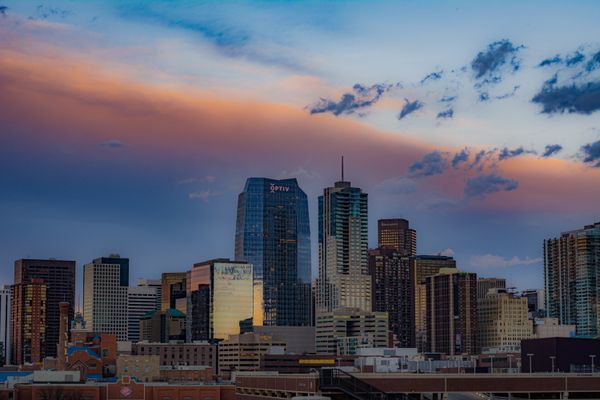
Lakewood sits right around 5,500 feet — a touch higher than Denver's famous mile — and the mountains a short drive west climb thousands of feet higher still. So whether you live here, you are visiting, or you are about to load up the car and become a Coloradan, this is genuinely worth understanding. Let's clear it up, separate the science from the barstool lore, and talk about how to enjoy a drink up here without paying for it the next morning.
So, Does Altitude Actually Get You Drunk Faster?
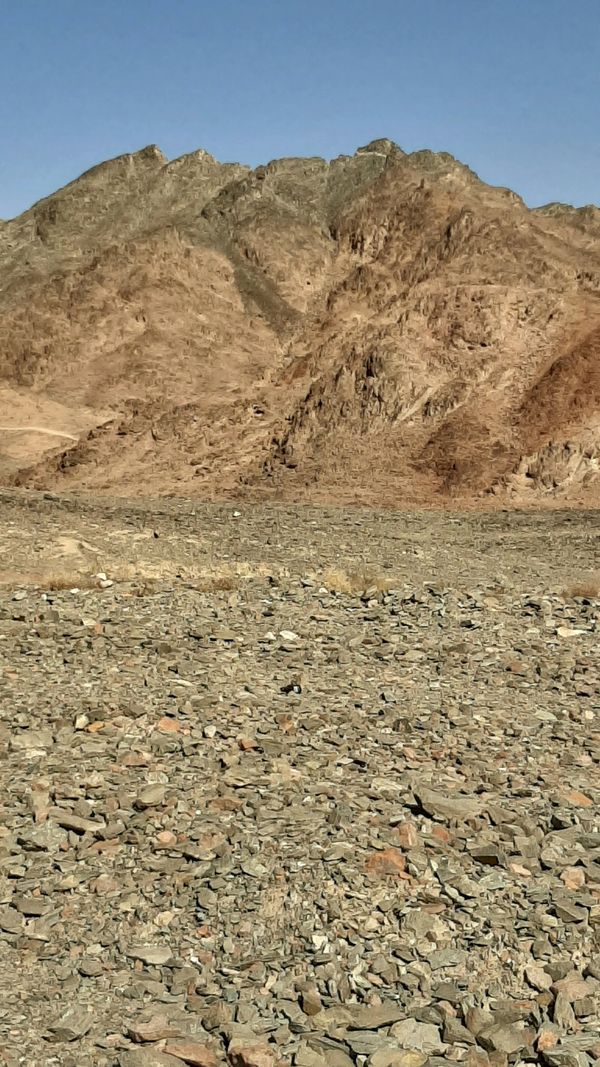
Here is the short, slightly surprising answer: altitude does not actually raise your blood alcohol level. If you drink two beers in Lakewood and two beers in Miami, the amount of alcohol that ends up in your bloodstream is roughly the same. Researchers have tested this more than once — including aviation studies that put people in simulated high-altitude conditions and then measured them — and the finding keeps holding up. Your body absorbs and processes a drink at 5,280 feet about the same way it does at the beach. Chemically, a drink is a drink, whether you are high in the Rockies or sitting at sea level.
So why does practically everyone in Colorado insist they get tipsy faster up here? Because feeling drunk and measuring drunk are two very different things. Your blood alcohol content might read exactly the same on a breathalyzer, but the way that alcohol lands — how quickly your head goes light, how loose your legs feel, how foggy you get after drink number two — really can be more intense at altitude. The old line that "one drink up here equals two" is wrong about the chemistry, but it is onto something true about the experience. The difference is not hiding in the bottle. It is in the thin air all around you.
It is worth answering the exact question people tend to type into their phones, too: does altitude affect your alcohol tolerance? Not in the literal sense — your liver did not get weaker the day you moved to the foothills. What changes is the total load on your body. Tolerance is really a measure of how much impairment you can shrug off before it starts to show, and at altitude you are beginning that math already a little taxed by the thinner air and the dehydration that comes with it. Same tolerance, in other words, but a higher starting point. That is the piece the barstool version of the story always leaves out.
Why That Second Drink Hits Different at 5,280 Feet
A few things are happening at once, and they stack on top of each other.
The big one is oxygen. Denver and Lakewood sit high enough that there is meaningfully less oxygen in every breath than there is on the coast. The air is thinner, so each lungful simply delivers less. Your body handles that just fine for everyday life, but even a mild oxygen shortfall produces its own set of feelings: lightheadedness, quicker fatigue, slightly slower reactions, a faintly floaty head. Notice anything about that list? It overlaps almost perfectly with the early signs of a nice buzz. So when you pour a drink on top of thin air, the two sensations pile onto one another. You are not truly more intoxicated — but you feel further along than the alcohol alone would explain.
Timing matters just as much. Your body does adjust to elevation, but it needs time, and the first three to five days are the biggest part of that adjustment. That is exactly why the visitor who flew in this morning and grabbed a margarita at dinner gets clobbered, while the neighbor who has lived in Lakewood for a decade barely blinks at the same drink. If you have been here a while, you are already partly acclimated. Newcomers, weekend guests, and anyone who just drove up to a ski town are not — and the higher mountain towns, many of them sitting at 8,000 to 10,000 feet, magnify the whole effect well beyond what you feel in town.
Then there is water, or the lack of it. Colorado's air is famously bone-dry, and at altitude you lose moisture faster than you would down low — you breathe harder, and you make more trips to the bathroom. Alcohol is a diuretic on top of all that, so you dehydrate quicker than you are used to. Dehydration will not budge your blood alcohol reading one bit, but it absolutely changes how rough you feel, both during the night and, more memorably, the following morning.
Altitude, Hangovers, and Why Colorado Mornings Can Bite
If Colorado hangovers feel meaner than the ones you remember from sea level, that dryness is a big part of the story. You went to bed more dehydrated than usual, and you woke up in the same state, only worse. But there is a second, sneakier factor at play, especially once you head up into the high country: altitude sickness can look almost exactly like a hangover.
Acute mountain sickness — the mild altitude illness that, according to the CDC, affects roughly a quarter of people who sleep above 8,000 feet in Colorado — shows up as headache, nausea, fatigue, and dizziness. Read that list one more time. That is a hangover, more or less, described in a medical textbook. So if you drive up to a friend's cabin, enjoy a few drinks by the fire, and feel completely wrecked the next day, you honestly may not be able to tell whether it was the bourbon, the elevation, or the two of them teaming up on you.
That overlap is exactly why the CDC's guidance for high-elevation travel flatly recommends avoiding alcohol for the first 48 hours at altitude. Alcohol is also a mild respiratory depressant — it gently suppresses your breathing — and that matters more when oxygen is already in shorter supply, particularly while you are asleep. None of this is a reason to swear off a good drink in the mountains. It just means the first night after a big climb in elevation is the worst possible time to see where your limits are.
How to Drink Smart at Altitude Without Killing the Fun
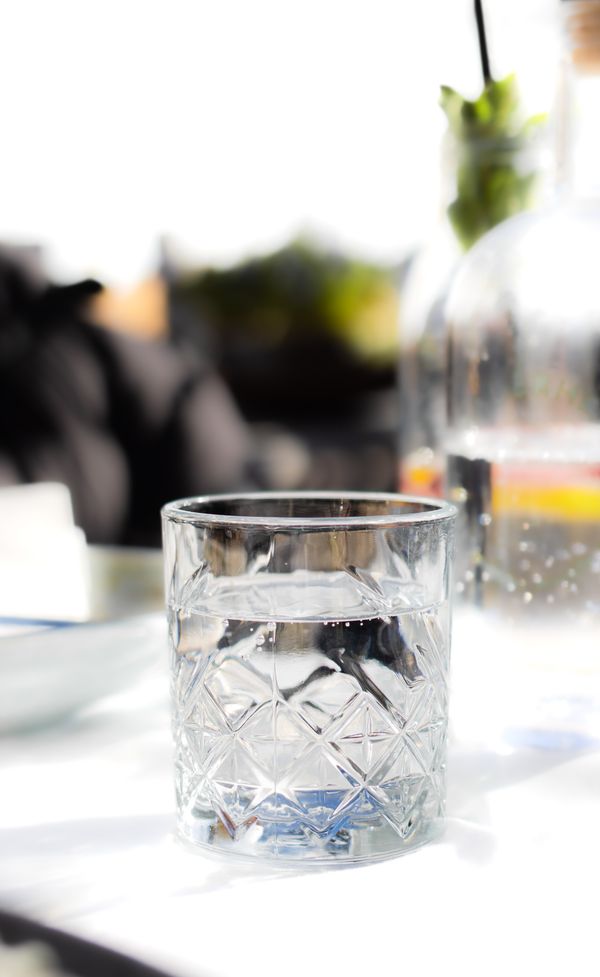
You do not have to become a teetotaler to live at a mile high. You just have to drink a little smarter than you did at sea level. A handful of simple habits make nearly all the difference:
- Water between drinks. This is the single most effective thing on the list, full stop. A glass of water between each drink offsets the extra dehydration altitude piles on and softens the next morning dramatically.
- Give the first one a beat. Your first drink here will probably do more than you expect, so wait a little longer than usual before deciding whether to pour a second. Pacing beats playing catch-up every single time.
- Eat before, not after. A real meal slows how quickly alcohol enters your system — worth even more when the thin air already has you feeling a step ahead of the curve.
- Respect the first day. If you just flew in or drove up to the high country, take it easy for the first 24 to 48 hours while your body catches up. That is the window where altitude and alcohol gang up the hardest.
- Mind the sun and the sweat. A day hiking Green Mountain, wandering the foothills, or dancing at Red Rocks under strong Colorado sun leaves you drier than you realize before the first drink is even poured.
- Lighter pours, enjoyed slower. You will have a far better night on a couple of easygoing drinks than on a stack of high-proof ones — which brings us to what is actually worth reaching for.
What to Pour When You're a Mile High
When the altitude is already doing half the work, you do not need a heavy hand to have a good time. Lower-proof, longer, more refreshing drinks are your friend up here. They are easier to pace, they keep you closer to hydrated, and they leave you feeling like a person the next day instead of a cautionary tale.
A tall vodka soda with plenty of lime is about as altitude-friendly as a drink gets: light, clean, and easy to stretch across a whole evening. If that is your lane, our guide to vodka breaks down which bottles are actually worth it. Gin drinkers get the same advantage from a gin and soda or a spritz — bright, botanical, and low enough in strength that you can enjoy a couple without regret; there is plenty more on the category in our look at why gin is such an interesting spirit. Rum plays beautifully in the same key: a simple rum highball or a proper daiquiri is refreshing and sessionable, and our everything-you-need-to-know guide to rum has the details if you feel like exploring.
None of this means you have to give up the good stuff. A slow, aged whiskey by the fire is one of the great pleasures of a Colorado winter — just treat it as the main event rather than round one, keep a glass of water beside it, and save it for a night when you are already acclimated rather than your first evening off the plane. If whiskey is your thing, our complete guide to whiskey is a great place to start. The rule of thumb at elevation is refreshingly simple: the higher and less acclimated you are, the lighter and slower you want to drink.
It is worth a quick word on beer and wine, too, since they are what most of us actually reach for on a weeknight. Both still count, and both still dehydrate you — a big Colorado IPA can run north of 7 percent, and it is easy to drink it like it is a light lager. Wine is the same trap in a nicer glass. There is nothing wrong with either; just fold them into the same plan, water alongside and a slower pace, and you will be fine.
A Few Words for Visitors and New Arrivals
If you are visiting Colorado or you have just moved here, this is the part to take to heart, because you are the person altitude affects the most. Flying in from sea level and heading straight to dinner drinks, or driving up to a ski town the very same day you land and toasting your arrival, is the classic recipe for a rough first night and an even rougher morning. Take it slow, drink your water, and give yourself a day or two before you go big. Your body will meet you most of the way within a few days, and then Colorado is all yours.
And if you are ever not sure what to pour — something light for a Red Rocks show, a crowd-pleaser for a mountain weekend, or a nice bottle to sip once you have found your altitude legs — come in and ask us. Helping people find the right bottle for the moment, Colorado quirks and all, is honestly the best part of the job.
Find Your Bottle at Jewell Liquor Box
Light and easy or rare and aged, we'll help you pick the right pour for altitude, the occasion, and your taste.
📍 7853 W Jewell Ave, Lakewood, CO 80232